 comparison
Is a Private Boat Charter Worth It? A Honest Cost & Value Breakdown
Table of Contents
- What Makes a Private Boat Charter Different From Crowded Tour Boats
- Private Boat Charter Cost Breakdown: What You're Actually Paying For
- Lake Tahoe Boat Rental With Captain: Why Professional Captains Matter
- Benefits of Hiring a USCG-Licensed Captain for Your Charter
- Hidden Costs and What's Actually Included
- Is It Worth It? Real Scenarios When Private Charters Make Sense
- Conclusion: Making the Right Choice for Your Group
- Frequently Asked Questions
Last Updated: August 30, 2026
What Makes a Private Boat Charter Different From Crowded Tour Boats
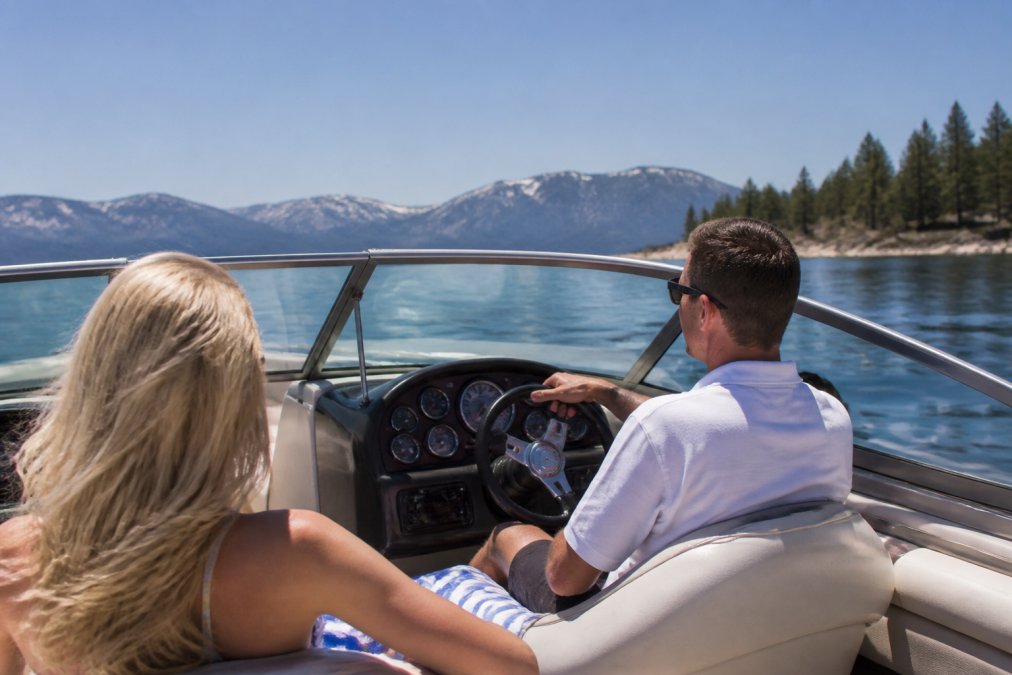
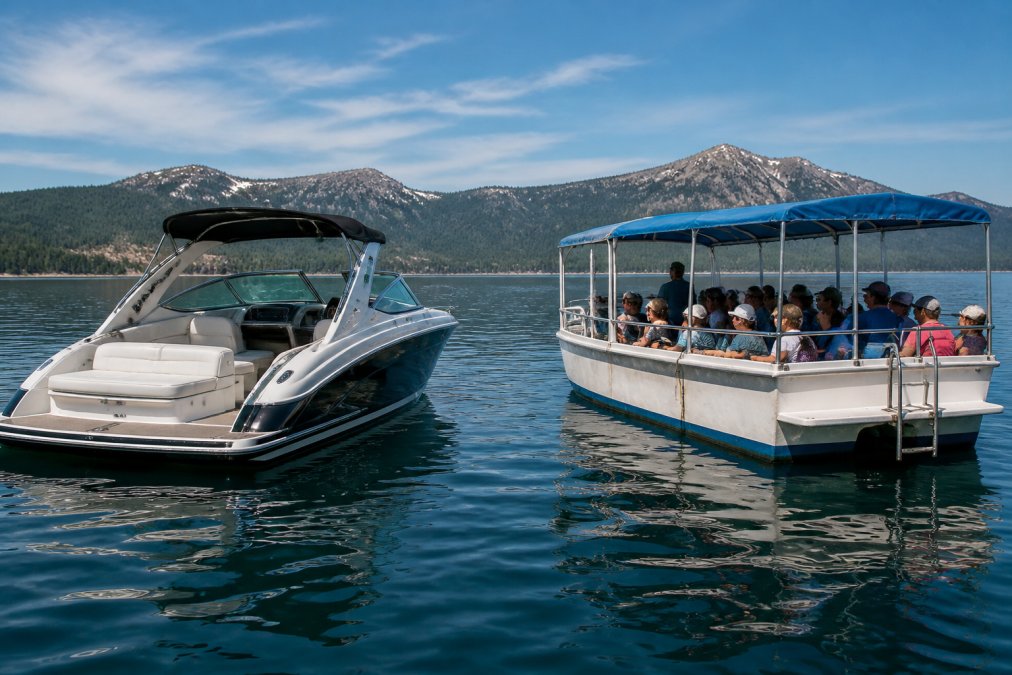
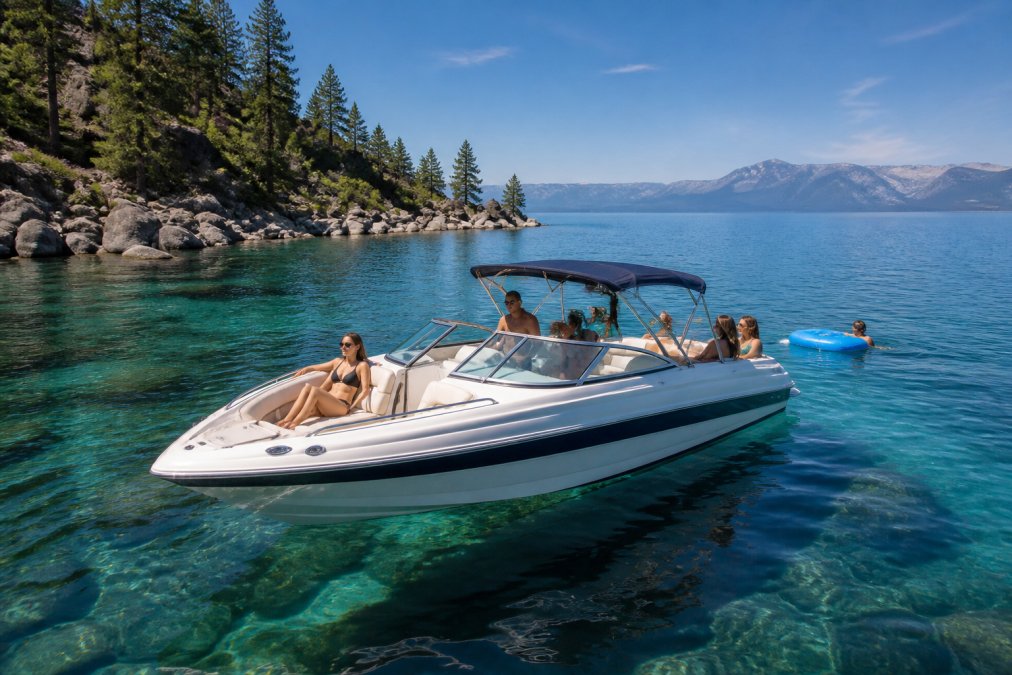
A private boat charter is fundamentally different from a standard tour boat experience. Instead of sharing deck space with dozens of strangers, you get exclusive access to a vessel with your group alone. The captain adjusts the itinerary based on your preferences, stops where you want to stop, and moves at your pace rather than a fixed schedule.
The core distinction comes down to control and intimacy. On a crowded tour boat, you're one of many passengers following a predetermined route. With a private charter, the boat and captain work for you. You decide whether to spend an extra 30 minutes at Emerald Bay, whether to stop for swimming, or whether to skip a location entirely if conditions don't appeal to your group.
This flexibility extends to timing as well. Tour boats operate on set departure times. Private charters accommodate your schedule. If your family wants to catch a sunset cruise, a private charter can depart at the exact moment that makes sense for your group. If you're celebrating an anniversary or milestone, the captain can coordinate with you to hit the perfect light and location for photos.
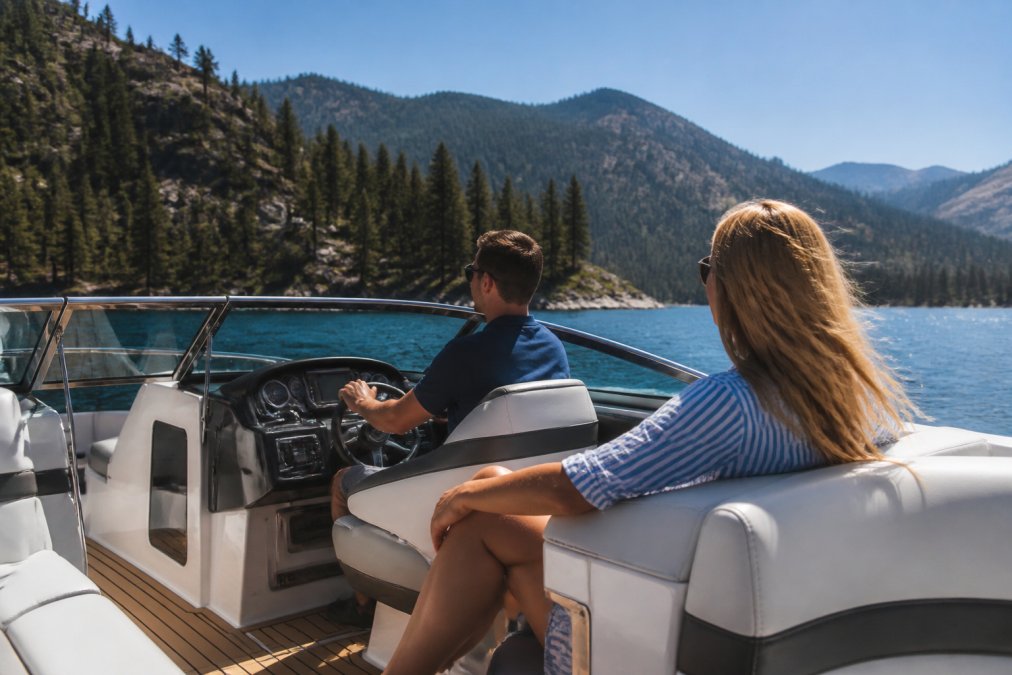
The vessel quality also differs significantly. Tahoe Lakeside Charters operates a high-performance Formula 330 SS, a premium boat designed for stability and comfort rather than maximum passenger capacity. Crowded tour boats prioritize fitting as many people as possible. The result is a smoother ride, better sightlines for everyone, and the ability to actually hear conversations without shouting over engine noise and dozens of other voices.
Safety considerations matter here too. With fewer passengers, the captain maintains better awareness of everyone on board. Kids in life jackets are supervised more closely. Elderly passengers don't have to navigate crowded decks or compete for seating. The entire experience feels less chaotic and more intentional.
Private Boat Charter Cost Breakdown: What You're Actually Paying For
Understanding what drives the cost of a private charter requires looking beyond the hourly rate. Several components bundle together to create the total price you'll pay.
The captain's expertise and experience form the foundation. A USCG-licensed captain with years of local knowledge isn't interchangeable with an untrained operator. This person navigates weather patterns, understands seasonal conditions, knows which locations offer the best views at different times of day, and holds responsibility for your safety and legal compliance. That expertise carries real value.
Fuel costs represent a substantial line item. A high-performance boat burns fuel differently than a small recreational vessel. The engine power required to maintain stability and comfort on the water, especially in choppy conditions, directly impacts per-hour fuel consumption. This cost fluctuates with market prices and is typically passed through to the customer.
Vessel maintenance and insurance are built into charter pricing. A Formula 330 SS requires regular servicing, inspections, and upkeep to maintain safety standards and performance. Insurance for a premium vessel carrying passengers carries meaningful premiums. These operational costs get distributed across charter bookings.
The boat itself represents capital investment. A quality charter vessel costs well into six figures. The owner finances that investment through charter revenue. Unlike a tour boat operator who spreads costs across hundreds of daily passengers, a private charter operation must recover vessel costs across fewer bookings.
Amenities included in your charter vary by operator. Tahoe Lakeside Charters includes fuel, Bluetooth music capability, and comfortable seating as standard. Some operators include beverages or snacks. Others charge separately for these additions. Understanding what's bundled versus what costs extra prevents surprise charges.
Location and seasonality affect pricing. Peak summer weekends command higher rates than shoulder season weekdays. Weekend demand is simply higher, and operators price accordingly. If you have flexibility with timing, booking during less popular periods can reduce your total cost.
Lake Tahoe Boat Rental With Captain: Why Professional Captains Matter
The difference between a bareboat rental and a lake tahoe boat rental with captain comes down to expertise, safety, and experience quality. A professional captain transforms a boat ride into a curated experience.
A USCG-licensed captain has completed training, passed examinations, and maintains certifications in navigation, safety, and maritime law (uscg.mil). This isn't a casual qualification. The Coast Guard establishes standards specifically to protect passengers and ensure competent operation (uscg.mil). A licensed captain understands weather patterns, can read water conditions, knows emergency procedures, and carries legal authority to operate commercially on the water.
Local knowledge is where professional captains deliver exceptional value. A captain who has spent years on Lake Tahoe knows which locations offer the best views at different times of day. They understand how wind patterns change throughout the day and how to position the boat to avoid rough water when possible. They know which anchorages are protected, where wildlife congregates, and which routes offer the smoothest ride for passengers prone to motion sickness.
Safety oversight improves measurably with a professional at the helm. The captain conducts pre-departure safety checks, ensures all passengers wear appropriate life jackets, monitors weather conditions in real time, and has the training to handle emergencies. For families with children or elderly passengers, this professional oversight provides genuine peace of mind.
Navigation and route optimization fall to the captain as well. Rather than consulting GPS and following a predetermined track, an experienced captain reads conditions and adjusts course to maximize comfort and views. If weather deteriorates in one direction, they pivot to protected waters. If wildlife appears in an unexpected location, they can alter course to observe without disturbing animals.
The captain also manages the boat's systems. Engine performance, fuel consumption, and mechanical reliability are their responsibility. This means you don't have to worry about whether the boat is properly maintained or if something might fail mid-trip. That responsibility and accountability matter, especially on a large body of water.
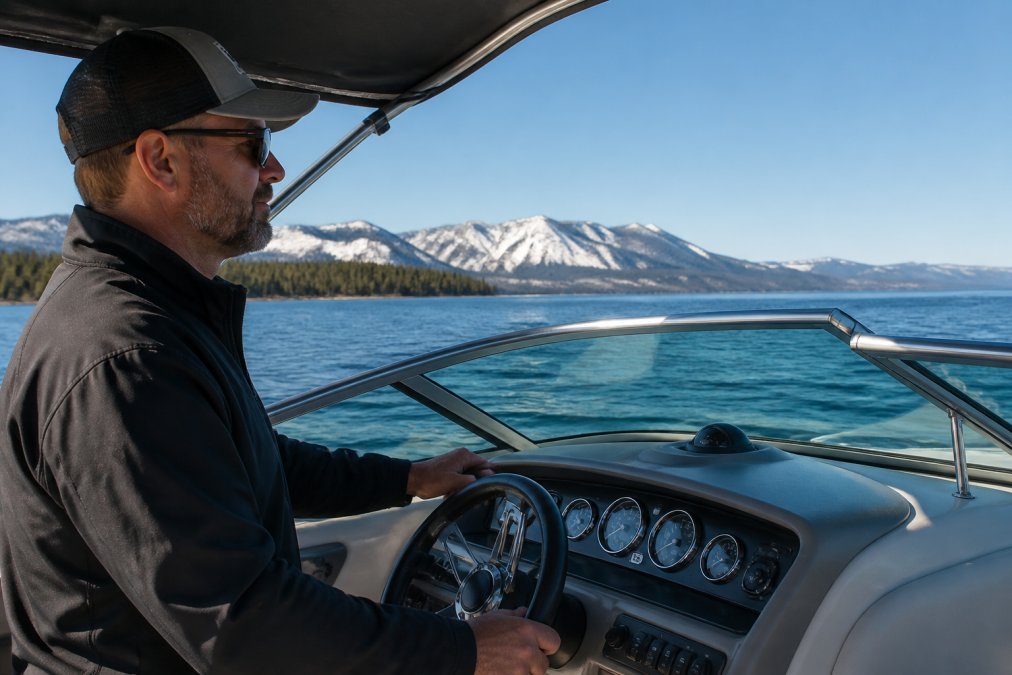
Benefits of Hiring a USCG-Licensed Captain for Your Charter
Booking a charter with a USCG-licensed captain provides specific, measurable advantages that bareboat rentals and unlicensed operators cannot match.
Legal compliance is the foundation. Federal and state regulations require licensed captains for commercial passenger operations (the FDA). Hiring an unlicensed operator exposes you to liability and potential legal consequences. A licensed captain ensures your charter operates within all applicable maritime law.
Insurance coverage hinges on proper licensing. Your personal liability insurance likely excludes commercial water activities. A legitimate charter operation carries passenger liability insurance that protects you if an accident occurs. That insurance only applies if the operator holds proper credentials.
Passenger safety protocols become standardized with a licensed captain. They've trained in passenger evacuation, first aid, emergency communication, and rescue procedures. These aren't theoretical exercises. Licensed captains practice these protocols regularly and understand their critical importance.
Weather decision-making improves dramatically with professional judgment. An unlicensed operator might proceed into deteriorating conditions based on optimism. A licensed captain has training in meteorology, can read changing conditions, and has the authority and confidence to delay departure or return to port if safety warrants it. This decision-making has prevented accidents and saved lives.
Navigation accuracy matters more than many passengers realize. A licensed captain understands how to read charts, use navigation equipment properly, and maintain awareness of other vessels and hazards. This reduces the risk of running aground, colliding with obstacles, or straying into restricted areas.
Documentation and accountability accompany licensed operation. If something goes wrong, there's a clear record of who operated the vessel, what happened, and whether proper procedures were followed. This documentation protects both passengers and the operator.
Hidden Costs and What's Actually Included
Many people discover unexpected charges after booking a charter. Understanding what's typically included and what carries additional cost prevents surprises.
Fuel is sometimes included in the hourly rate and sometimes charged separately. Ask specifically whether your quoted rate includes fuel or if fuel will be billed as an additional expense. On a high-performance vessel, fuel costs can add significantly to your total.
Food and beverages frequently carry extra charges. Some operators include basic refreshments. Many charge separately for catering, beverages, or snacks. If you want a full meal onboard, expect to pay additional fees or arrange catering independently.
Gratuity expectations exist in the charter industry, though they're not always clearly stated upfront. A 15-20% tip for the captain is customary if service exceeds expectations. Some operators build this into pricing. Others leave it to passenger discretion. Clarify expectations before booking.
Fuel surcharges appear on some invoices when fuel prices spike. Read your charter agreement carefully to understand whether fuel surcharges are possible and how they're calculated.
Cancellation and weather policies vary widely. Some operators offer full refunds for weather cancellations. Others offer rescheduling only. Some charge cancellation fees if you cancel within a certain window. Understanding these policies before booking prevents disputes if plans change.
Parking fees at the marina might not be included. If you're driving to the departure point, confirm whether parking is complimentary or if you'll pay separately.
Alcohol policies differ by operator. Some allow you to bring your own beverages. Others prohibit alcohol entirely or restrict it to beer and wine. Some offer alcohol as an add-on service. Clarify this if beverages matter to your experience.
Gratuity for crew members beyond the captain may be expected. If the boat includes a deckhand or crew member assisting, consider whether you'll tip them separately.
Is It Worth It? Real Scenarios When Private Charters Make Sense
The value of a private charter depends entirely on your specific situation, group composition, and what you're trying to accomplish.
Family vacations with young children benefit significantly from private charters. Kids can move around the boat safely without navigating crowds. Parents can supervise more easily. If a child gets tired or needs a break, the captain can adjust the itinerary rather than forcing everyone to stick to a crowded tour schedule. The ability to bring your own snacks and drinks saves money compared to tour boat concession prices.
Romantic occasions justify the premium immediately. Anniversaries, proposals, and honeymoon trips gain intimacy on a private vessel. The captain can coordinate timing to catch sunset light perfectly. You're not sharing the moment with dozens of strangers. For milestone celebrations, this exclusivity transforms the experience.
Multi-generational groups with varying abilities benefit from flexibility. If your party includes both active teenagers and elderly grandparents, a private charter accommodates different paces. Some family members might want to swim while others prefer to stay on deck. The captain adjusts without impacting other passengers.
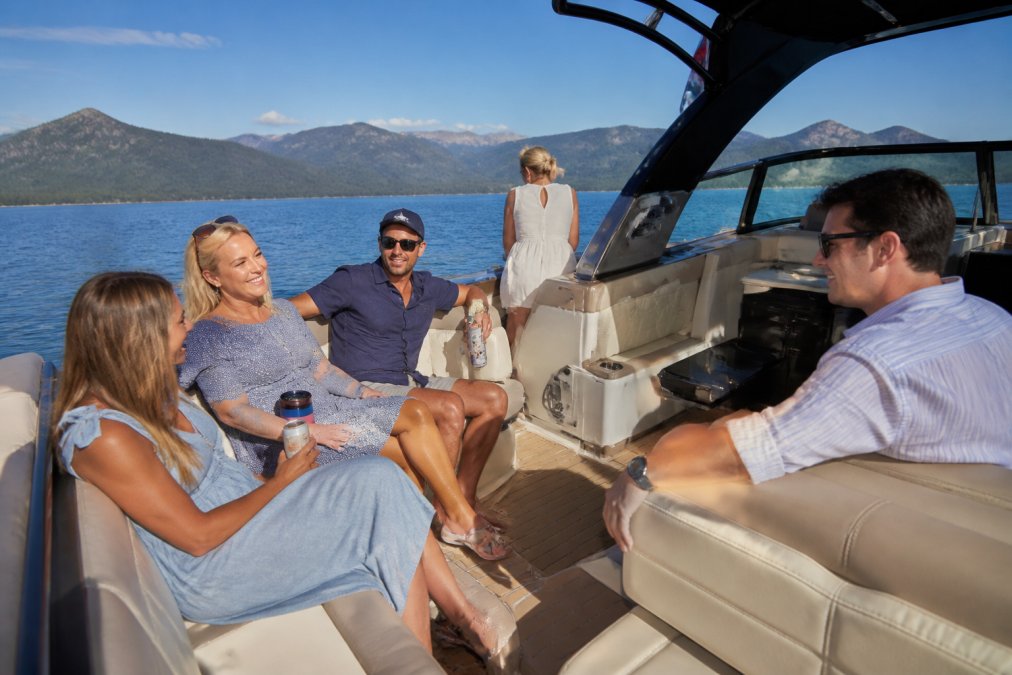
Groups with specific interests get customized experiences. Photographers wanting to capture golden hour light can depart at optimal timing. Birdwatchers can linger at locations where eagles congregate. History enthusiasts can spend extra time at Emerald Bay learning about the Vikingsholm mansion. A tour boat schedule doesn't accommodate these specialized interests.
Accessibility needs are better served by private charters. If someone in your group has mobility limitations, a private boat with fewer passengers and a cooperative captain makes the experience feasible. Crowded tour boats often present barriers that private charters can overcome.
Weather-sensitive passengers benefit from professional judgment. People prone to motion sickness ride more comfortably on a premium vessel with a captain who understands how to position the boat and adjust speed to minimize motion. A captain with decades of local experience can often find calmer water than a generic route would provide.
Small groups visiting briefly might find a private charter more economical than expected. If you're only in town for a weekend and want to maximize your lake time, a private charter eliminates waiting for scheduled tour departures. You control the schedule entirely.
The value proposition weakens for budget-conscious travelers visiting during peak season who want a basic sightseeing experience and don't mind crowds. In that scenario, a crowded tour boat costs significantly less and accomplishes the goal adequately.
Conclusion: Making the Right Choice for Your Group
Deciding whether a private boat charter justifies the cost requires honest assessment of your priorities, group composition, and what you want from your lake experience. For families seeking safety and flexibility, couples celebrating milestones, and groups with specific interests, the value clearly exceeds the cost. The ability to customize your experience, avoid crowds, and benefit from professional expertise transforms a boat ride into a memorable event.
Tahoe Lakeside Charters delivers exactly this value proposition. With a USCG-licensed captain bringing 24+ years of professional experience, a premium Formula 330 SS vessel designed for stability and comfort, and custom itineraries that adapt to your preferences, you're investing in expertise and safety alongside the experience itself. The captain's local knowledge, professional judgment in changing conditions, and commitment to personalized service distinguish a quality charter from basic transportation on water.
Frequently Asked Questions
What is the average cost of a private boat charter?
Private boat charter pricing depends on vessel size, duration, season, and included amenities. Most charters charge hourly rates, with 2-hour minimums typical. Pricing varies based on whether the captain, fuel, and refreshments are included. For accurate current pricing, contact your preferred charter provider directly for a custom quote based on your group size and preferences.
How much should you tip a private boat captain?
Standard tipping etiquette for private boat charters typically ranges from 15-20% of the total charter cost, similar to restaurant service. If the captain provided exceptional service, local knowledge, or went above expectations, 20% or more is appropriate. Some charters include gratuity in the final bill, so verify this before booking. Always ask your charter company about their tipping policies in advance.
What are the main benefits of a private charter over a public boat tour?
Private charters offer customized itineraries tailored to your group's interests, avoiding crowded decks and fixed schedules. You control the pace, destinations, and activities, whether sightseeing, swimming, or dining stops. A professional captain handles navigation and safety, letting your group relax fully. Private charters also provide exclusivity, flexibility for special occasions, and the ability to bring your own snacks and drinks.
Is a private boat charter worth it for families with young children?
Yes, private charters offer significant advantages for families. A USCG-licensed captain manages all safety protocols, and you avoid crowded environments where children can get lost or overwhelmed. You can set a comfortable pace, include swimming breaks, and bring your own snacks and drinks. Professional captains understand child safety, provide life jackets for all ages, and can adjust routes if weather turns rough or a child becomes uncomfortable.
Ready to experience Lake Tahoe from the water? Book your private charter with Tahoe Lakeside Charters and explore the lake at your own pace with a captain who knows every cove, current, and sunset opportunity. Get started today and discover why families, couples, and small groups choose personalized charters over crowded tour boats.
This article was written using GrandRanker