
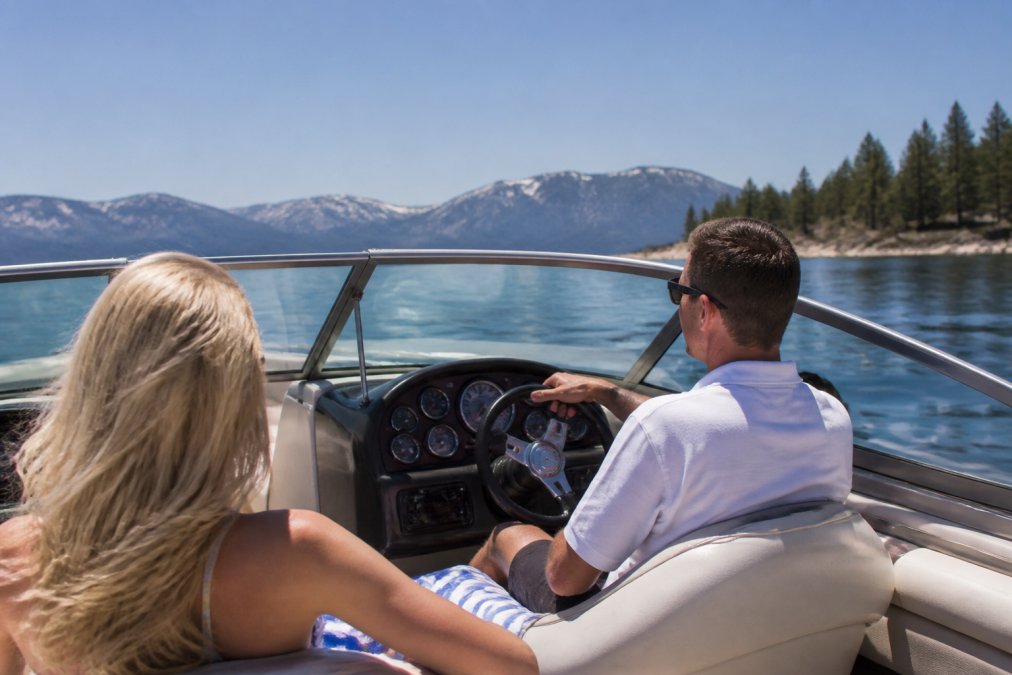
 comparison
Private Boat Rental vs Captained Charter: 2026 Guide
Table of Contents
- Private Boat Rental vs Captained Charter: The Core Difference
- What Is a Bareboat Rental?
- What Is a Captained Charter?
- Side-by-Side Comparison: Cost, Liability, and Experience
- USCG-Licensed Captain Requirements: What the Credential Actually Means
- Private Boat Charter Cost Breakdown: Where Your Money Goes
- Best Boat Rental Duration: Half-Day, Full-Day, or Multi-Day
- Legal Liability and Insurance Coverage: Who Pays When Things Go Wrong
- Which Option Fits Your Group? A Decision Framework
- Frequently Asked Questions
Last Updated: September 11, 2026
Private Boat Rental vs Captained Charter: The Core Difference
The decision between a private boat rental vs captained charter comes down to one question: who is legally responsible for the vessel? A bareboat rental puts you in command, while a captained charter places a USCG-licensed professional at the helm.
A bareboat rental is a self-drive boat rental where you operate the vessel yourself and assume full legal liability for it. A captained charter is a crewed trip where a licensed captain handles navigation, docking, mooring, and safety, and you carry none of that operational responsibility.
That difference cascades into cost, insurance, skill requirements, and how much of your day you spend relaxing versus working. Below, we break down both models, plus the cost, liability, and duration questions most guides skip.
What Is a Bareboat Rental?
A bareboat rental is an arrangement where you charter a vessel without crew, fuel, or provisions, taking on full vessel operation yourself. The term comes from maritime law: "bare" means the boat comes with nothing but the hull. You are the operator, navigator, and the person who answers for any damage.
Rental companies verify your boating experience before handing over the keys. Expect to document navigation skills, submit a boating resume, and sign a charter agreement transferring operational responsibility to you. Some operators also require a boating license or USCG-approved safety course certificate.
The upside is autonomy and lower headline cost. The trade-off: docking and mooring, weather calls, fuel, and the consequences of a bad judgment call are all yours.
What Is a Captained Charter?
A captained charter is a private booking that includes a licensed captain who operates the vessel for your trip. You get the whole boat and a bespoke itinerary, but nautical expertise stays in someone else's hands.
The captain handles departure, navigation, anchoring, safety briefings, and docking. On a crewed yacht, service climbs further with meal prep and hospitality. On a day charter, the captain doubles as your local guide, which matters on a lake with sudden wind shifts and hidden hazards.
For families, couples, and groups who want a customized experience without the stress of running the boat, this is the model that delivers it.
Side-by-Side Comparison: Cost, Liability, and Experience
Captained charters cost more upfront but eliminate liability, skill requirements, and hidden operating costs. Bareboat rentals look cheaper until you add fuel, insurance, and the value of your time at the helm.
| Factor | Bareboat Rental | Captained Charter |
|---|---|---|
| Who operates the vessel | You | Licensed captain |
| Legal liability | Yours | Captain and operator |
| Skill required | Documented experience | None |
| Insurance | You arrange coverage | Included in charter |
| Fuel and surcharges | Typically your cost | Often included |
| Itinerary flexibility | Total, within your skill | High, guided by captain |
| Best for | Experienced boaters | Families, couples, groups |
The pattern is consistent: you trade money for responsibility. A captained charter is the better cost-benefit analysis for anyone who isn't a regular boater, because the risk you're offloading is real and expensive.
USCG-Licensed Captain Requirements: What the Credential Actually Means
A USCG-licensed captain holds a credential issued under federal maritime regulations, requiring documented sea time, a physical exam, drug testing, and a written examination, not a weekend certificate (uscg.mil).
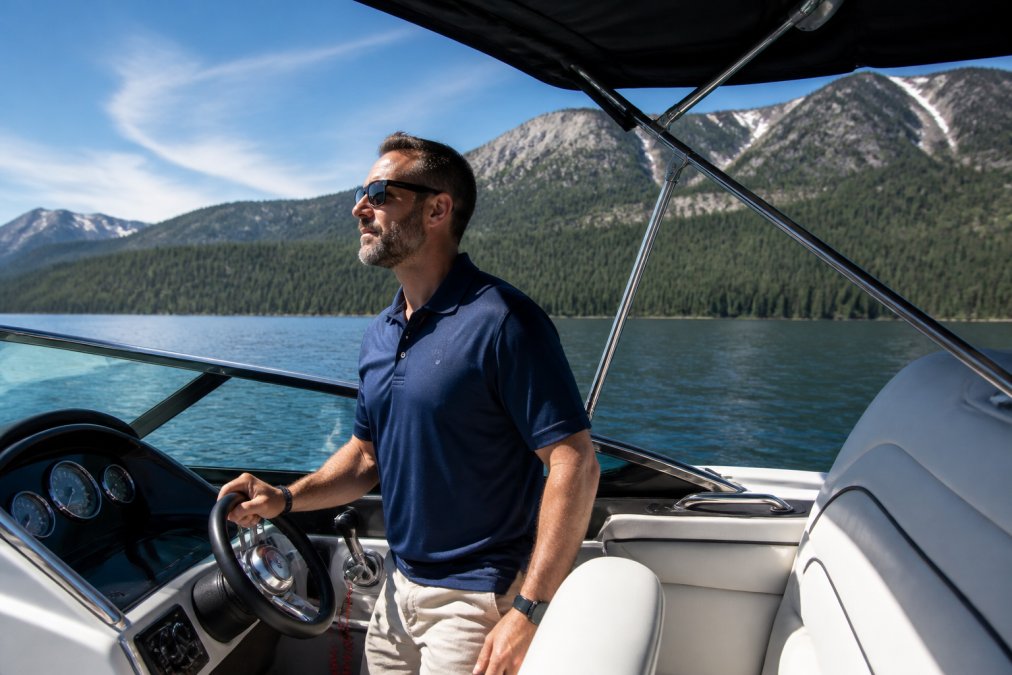
The U.S. Coast Guard credentialing requirements for merchant mariners specify minimum sea service days, age thresholds, and renewal cycles. Captains must also hold current first aid and CPR certification, and many carry additional endorsements for towing or commercial operation.
In practice, a licensed captain has been vetted for navigation skill, emergency response, and regulatory compliance. When you charter with a captain, you're buying someone tested on exactly the situations that ruin a day on the water.
Private Boat Charter Cost Breakdown: Where Your Money Goes
Private boat charter cost breakdowns vary, but the line items are consistent across operators. Understanding them tells you whether a quote is fair and what's included.
- Vessel time: The base rate for the boat and, on a captained charter, the captain's time.
- Fuel: Often the largest variable. Some charters include it; many rentals charge it separately.
- Insurance: Coverage for the vessel, the passengers, and liability. On bareboat rentals, this is frequently your responsibility.
- Crew: Captain and any additional staff, reflected in the charter rate.
- Amenities: Towels, coolers, water toys, and onboard amenities like sound systems.
Because pricing depends on vessel size, season, and trip length, the only reliable number is a direct quote. Because pricing depends on vessel size, season, and trip length, the only reliable number is a direct quote.
Fuel Surcharges and Gratuity Expectations
Fuel surcharges appear when operators price the base rate without fuel, then bill actual consumption afterward. Ask upfront whether fuel is included or estimated, and get it in writing.
Gratuity follows hospitality norms: a customary tip for the captain and crew, typically a percentage of the charter rate, at your discretion. It's not mandatory but is standard on crewed charters, so budget for it.
Best Boat Rental Duration: Half-Day, Full-Day, or Multi-Day
The best boat rental duration depends on your group's stamina and goals, but most first-time charterers are happiest with a half-day or full-day trip. Multi-day charters suit travelers building a vacation around the water.
- Half-day (3-4 hours): Ideal for sunset cruises, a swim stop, and sightseeing. Best for families with young kids and seniors.
- Full-day (6-8 hours): Room for multiple anchorages, tubing, lunch on the water, and a relaxed pace. The sweet spot for most groups.
- Multi-day: Suited to liveaboard-style trips with overnight stays. Higher cost, more planning, and typically booked well in advance.
For a long weekend, a full-day captained charter covers more ground than two rushed half-days and leaves your evenings free.
Legal Liability and Insurance Coverage: Who Pays When Things Go Wrong
Legal liability sits with whoever operates the vessel, which is why insurance is the sharpest dividing line between these options. On a bareboat rental, you are the operator and the responsible party. On a captained charter, the operator and captain carry the commercial coverage. The practical difference isn't just who is insured, it's what is insured.
The three coverage layers that actually matter
- Hull (physical damage) coverage, pays to repair or replace the vessel itself. On a bareboat rental, this is usually the owner's policy, but the rental agreement commonly makes you responsible for the deductible, and sometimes for the full loss if you were negligent or in breach of the agreement (for example, operating outside permitted hours or waters).
- Protection and indemnity (P&I) / liability coverage, pays third parties: another boater you collide with, a dock you damage, or someone injured aboard. This is the layer that most recreational boaters assume their homeowners policy covers, and it usually does not once the vessel is over a certain length or horsepower, or once the loss arises from a business-style rental.
- Passenger / medical payments coverage, pays medical costs for people on your boat regardless of fault. On a captained charter this is the operator's responsibility; on a bareboat rental it is frequently yours.
What a bareboat rental agreement typically requires of you
A common pattern in rental contracts is a three-part obligation: (a) proof of a liability policy naming the owner as an additional insured, (b) a security deposit or damage hold against the hull deductible, and (c) a signed indemnity clause holding the owner harmless for claims from your operation. Arrive without the required coverage and the operator can cancel at the dock, a contractual right, usually with no refund.
BoatUS Foundation guidance on recreational boating insurance and liability explains that damage to the vessel, injuries aboard, and third-party claims typically fall to the policyholder. Many rental agreements require you to carry your own coverage before departure, and a standard homeowners policy rarely fills the gap.
How the claim actually unfolds
If you ground a bareboat rental, the operator files against the hull policy, the insurer pays the yard, then pursues you for the deductible and any excluded portion, plus any separate third-party claim if someone was injured. On a captained charter, that same grounding is the operator's claim under its commercial policy, and your exposure shrinks to personal conduct and direct damage, like ruining upholstery or ignoring a captain's safety instruction.
The nuance most articles miss
"Insurance included" on a captained charter does not mean you are insured for everything, it means the operator is insured for the vessel and its commercial operation. Injure another guest through your own negligence, or damage a third party's property while the captain is briefly away from the helm, and you can still be personally exposed. The right mental model isn't "insured vs. uninsured", it's "whose policy responds first, and where does my personal exposure begin."
Which Option Fits Your Group? A Decision Framework
Choose a captained charter if you lack documented boating experience, want zero operational responsibility, or are traveling with children or seniors. Choose a bareboat rental only if you boat regularly, can document your navigation skills, and want full itinerary control. But two practical mechanisms decide the choice more often than any checklist: the check-out process and the vessel's passenger-capacity limit.
The check-out process (bareboat) vs. the boarding process (charter)
A bareboat rental begins with a check-out: a hands-on briefing where the operator walks you through the vessel's systems, confirms your ability to handle it, and documents the boat's condition before you leave the dock. A thorough check-out covers engine and fluid checks, electrical and battery switches, bilge and pump operation, anchor and mooring procedure, VHF channels and distress protocol, life jacket and fire extinguisher locations, and local hazards like shoals, no-wake zones, and weather patterns. Some operators also require a short on-water demonstration. A rushed or purely verbal check-out is a red flag.
A captained charter begins with a boarding: a safety briefing covering life jacket locations, emergency procedures, and the day's plan, after which the captain handles every system and decision. You're a guest, not an operator, so the briefing is shorter and the operational burden is zero.
Passenger capacity: the limit that is not negotiable
Passenger capacity is set by the vessel's certification and federal regulations, and it is not a suggestion. A small rental boat may be certified for a handful of passengers; a larger charter yacht for far more. Exceed the certified capacity and the trip cannot legally proceed, no matter how many people will squeeze aboard. This is a common reason groups that assumed a rental would work end up needing a charter: the boat that fits the itinerary doesn't fit the headcount.
Work through this before you book
- Can every operator on the trip document recent boating experience?
- Are you comfortable handling docking and mooring in wind?
- Do you have liability coverage that satisfies a rental agreement?
- Is your group larger than the vessel's certified passenger capacity allows?
- Do you want to relax, or do you want to drive?
Two of these tipping toward "no" or "relax" means a captained charter is the right call.
For groups that want the water without the workload, Tahoe Lakeside Charters runs private, USCG-compliant trips for up to 10 guests aboard a Formula 330 SS, with a captain who has more than two decades on the lake. You bring snacks and drinks; the captain handles the rest.
Frequently Asked Questions
What is the difference between renting a boat and chartering a boat?
A bareboat rental means you operate the vessel yourself and take on full operational and legal responsibility, including navigation, docking, and safety. A captained charter places a licensed captain at the helm, so you never touch the controls. The captain handles navigation, mooring, and safety briefings. You relax, swim, or sightsee. The trade-off is cost: captained charters run higher because you pay for professional expertise and insurance coverage that protects both parties.
Do I need a boating license to rent a boat?
Requirements vary by state and waterway. Many states require a boater education card or safety certificate for operators above a certain age. On federal waters, the USCG enforces additional rules. If you book a captained charter, the licensed captain holds the required credentials, so you skip the licensing question entirely. For bareboat rentals, the charter agreement will spell out exactly what documentation you must present before taking the wheel.
What are the benefits of hiring a USCG-licensed captain?
A USCG-licensed captain has passed a federal exam covering navigation rules, emergency procedures, and vessel operation. They carry documented sea time and hold a credential that requires periodic renewal. On the water, that means someone else handles docking, mooring, weather calls, and route planning. You get local knowledge about the best swimming coves and scenic spots. Insurance carriers often require a licensed captain for charter operations, which keeps everyone covered.
How much do private boat charters cost compared to rentals?
Pricing depends on vessel size, duration, season, and whether fuel and crew are included. Captained charters cost more upfront because you pay for the captain's time and expertise, but that rate often bundles fuel, insurance, and onboard amenities. Bareboat rentals look cheaper per hour, yet you may pay separately for fuel, damage deposits, and required safety equipment. Request a full quote from any operator so you compare the total, not just the hourly rate.
Is fuel included in the cost of a captained charter?
It depends on the operator. Some captained charters quote an all-inclusive rate covering fuel, while others add a fuel surcharge after the trip based on actual consumption. Ask before you book. For bareboat rentals, fuel is almost always your responsibility. A full-day cruise on a mid-size vessel can burn a meaningful amount of gas, so factor that into your budget. The charter agreement should state clearly whether fuel is included or billed separately.
The real challenge isn't finding a boat. It's matching the right model to your group's experience, budget, and appetite for responsibility. If you'd rather spend your day swimming in clear coves than worrying about docking, Tahoe Lakeside Charters offers a licensed captain, a stable premium vessel, and flexible itineraries built around your crew. Get started with Tahoe Lakeside Charters and see the lake the way it's meant to be seen.