
 ultimate-guide
Safety Tips for Boating with Kids: A Parent's Guide
Table of Contents
- USCG Life Jacket Requirements for Children
- What to Pack for a Day on the Water with Kids
- Essential Safety Gear for Charter Vessels
- How to Create a Safe Space for Kids on the Boat
- Managing Motion Sickness and Anxiety on the Water
- Boating with Kids: Age-Specific Safety Milestones
- Conclusion
- Frequently Asked Questions
Last Updated: September 12, 2026
USCG Life Jacket Requirements for Children
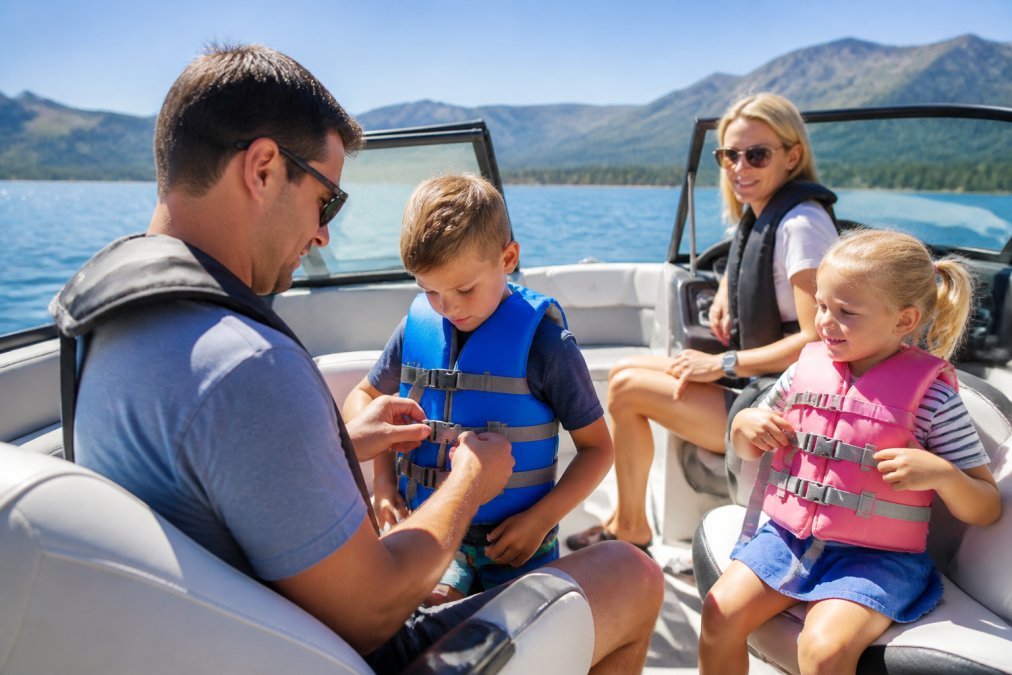
Safety tips for boating with kids start with one non-negotiable item: a properly fitted, Coast Guard-approved life jacket. The U.S. Coast Guard requires that children under 13 wear an approved personal flotation device, or PFD, whenever a vessel is underway, unless the child is below deck or inside an enclosed cabin (uscgboating.org). This guide from Tahoe Lakeside Charters breaks down what that means for your family before you step aboard.
A life jacket is a piece of safety equipment designed to keep a person's head above water and turn an unconscious wearer face-up. For children, fit matters more than brand or color. A jacket that rides up over the ears or slips off the shoulders will not keep a small body afloat.
How to Check the Fit of a Child's Life Jacket
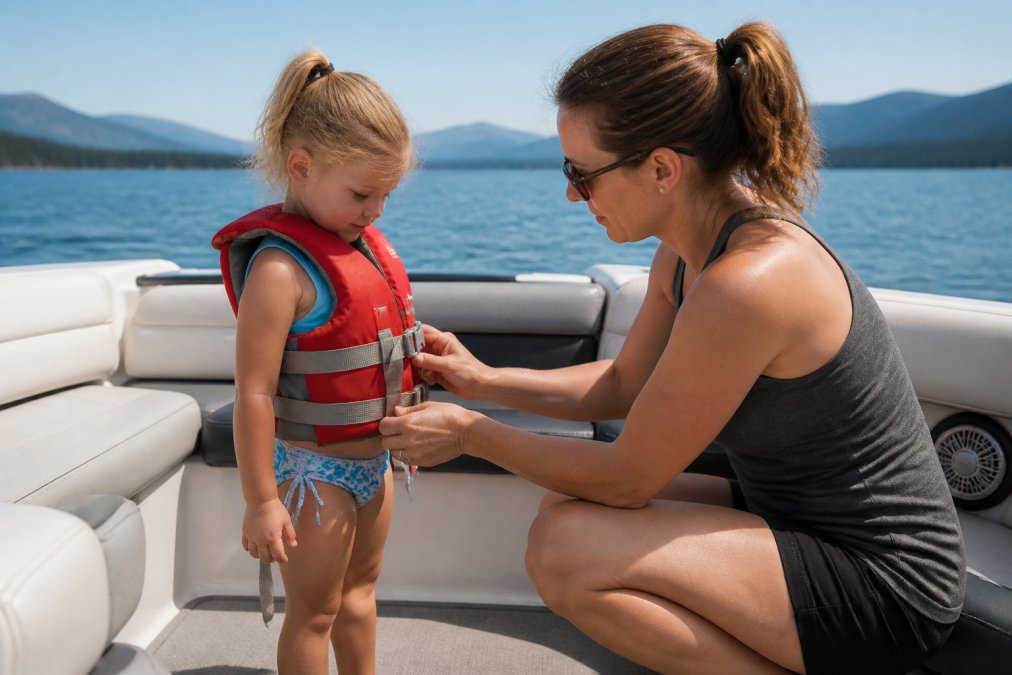
A correctly fitted child's life jacket should not move when you lift the shoulders. To test it, have the child raise both arms, then gently pull up on the jacket's shoulder straps. If it slides above the chin, it is too loose or too large. Check three points: the chest strap sits snug, the side straps are tightened evenly, and the jacket stays in place when the child lifts their arms. Weight and chest size on the label should match your child, not their age.
What to Pack for a Day on the Water with Kids
Pack for sun, thirst, and small emergencies, not just snacks. A well-stocked day bag keeps kids comfortable and lets you handle minor problems before they cut the trip short. What most guides miss is that the list changes with your child's age and the length of the trip, a two-hour toddler run and a full-day pre-teen outing need different bags.
The Core Kit (Every Trip, Every Age)
- Sun protection: broad-spectrum sunscreen (SPF 30 or higher), UV-protection hats with chin straps, and lightweight long-sleeve rash guards or swim shirts. Reapply sunscreen every two hours and after every swim (the FDA).
- Hydration: a refillable water bottle for each child, plus one spare. Offer water every 20 to 30 minutes, kids dehydrate faster than adults and often do not feel thirsty until they are already behind (the CDC).
- Comfort: a small first aid kit, a change of clothes in a dry bag, and a light layer for wind. Even on a warm day, open water and boat speed make kids cold fast.
- Safety: child-sized life jackets worn, not stowed, and a charged phone in a waterproof pouch.
Age-Specific Add-Ons
| Age | Add to the Bag | Why |
|---|---|---|
| Under 2 | Extra diapers, wipes, a shaded portable bassinet or clip-on shade, bottles or feeding supplies, a pacifier clip | Infants cannot regulate temperature or communicate thirst, so you pack for them |
| Ages 2-5 | Swim diapers, a small comfort toy, spill-proof cups, a sun hat that ties under the chin | Toddlers drop things overboard and need constant distraction |
| Ages 6-10 | Snorkel or goggles, a waterproof card game, a kid-sized towel, a whistle on a lanyard | Older kids need activity to stay seated and a whistle is a cheap signaling tool |
| Ages 11+ | Their own small dry bag, a hat they will actually wear, a book or tablet in a waterproof case | Pre-teens want ownership of their gear, which keeps them engaged |
Trip-Length Logic
A half-day trip needs one water bottle per child; a full day needs two, plus a refill jug. For trips over four hours, add a real meal, not just snacks, hungry kids get irritable and irritable kids stop following rules. Many families find that a soft-sided bag with a dry compartment works best. Keep sunscreen and water within arm's reach so you are not digging through gear while the boat is moving.
Essential Safety Gear for Charter Vessels
Essential safety gear for charter vessels is required equipment, not optional extras. US Coast Guard-approved vessels carry life jackets for every passenger, throwable flotation devices, a fire extinguisher, visual distress signals, and a first aid kit. On a private charter, the captain confirms this gear is aboard and accessible before departure.
Ask two questions before you book any charter: Is the captain USCG-licensed, and is the vessel inspected and insured? A licensed captain has passed Coast Guard testing on navigation rules, emergency procedures, and vessel operation. At Tahoe Lakeside Charters, every trip runs with a USCG-licensed captain at the helm, and our captain brings more than two decades of professional boating experience.
How to Create a Safe Space for Kids on the Boat
A safe space on a boat is a defined area where a child can sit, move, and play without risk of falling overboard or getting caught in moving parts. Set it up before you leave the dock, and set the boundaries with your kids at the same time.
- Designate a seating zone. Pick a bench or cushioned area away from the engine, propellers, and any lines or cleats.
- Set the rules out loud. "Feet on the floor, hands inside the rails, ask before you move." Repeat them at the start of the trip.
- Assign a spotter. One adult watches the kids at all times. On a private charter, the captain handles the vessel while you handle the family.
- Keep the swim ladder area clear. This is where boarding and swimming happen, and it needs a clear path.
- Secure loose items. Hats, towels, and toys blow overboard and can distract the driver.
Managing Motion Sickness and Anxiety on the Water
Motion sickness and anxiety are the two most common reasons kids dislike boating, and both are manageable, but they need different playbooks. Most guides lump them together or skip them entirely. Treating them as separate problems is the single biggest upgrade you can make to a child's first few trips.
Motion Sickness: The Mechanism and the Fixes
Motion sickness happens when the inner ear senses movement that the eyes do not confirm. On a boat, that mismatch is constant. The fixes work best when you stack them:
- Position matters. The middle of the boat, low and near the centerline, moves the least. The bow pounds and the stern swings; both make it worse.
- Eyes on the horizon. Have kids look at a fixed point on the horizon rather than down at a screen, a book, or their own feet. Reading is the fastest way to trigger nausea on a boat.
- Fresh air and airflow. A stuffy cabin concentrates fumes and motion. Keep kids on deck with wind in their face when conditions allow.
- Food and drink timing. A light snack before departure helps; a heavy meal or an empty stomach makes it worse. Ginger chews and crackers are common, low-risk options.
- Over-the-counter options. For kids prone to motion sickness, ask a pediatrician before the trip about age-appropriate options. Drowsiness is a common side effect, so test any remedy at home first, not on the water.
Anxiety: Preview, Predict, and Give Control
Anxiety on the water usually comes from the unfamiliar, engine noise, the boat's motion, open water, and not knowing what happens next. The counter is predictability:
- Preview the trip at home. Show pictures of the boat, walk through the sequence of the day, and name what they will hear and feel.
- Let them pick one comfort item. A small toy, a blanket, or a stuffed animal gives a child a portable anchor.
- Give them a job. A child with a task, holding the snack bag, watching for the dock, counting life jackets, shifts from passenger to crew member, which reduces fear.
- Start short. A 60- to 90-minute first trip builds confidence. Save the full-day run for trip two or three.
- Name the exit. Tell them when you will be back at the dock. Kids tolerate discomfort far better when they know it has an end point.
What to Watch For
If a child turns pale, goes quiet, or stops responding to questions, treat it as motion sickness and move them to the center of the boat with a view of the horizon. If a child is crying, clinging, or refusing to move, treat it as anxiety and slow the trip down rather than pushing through. A calm, unhurried captain makes a real difference, which is why a private charter often suits nervous first-timers better than a crowded tour boat.
Boating with Kids: Age-Specific Safety Milestones
Boating with kids looks different at every age, and matching your plan to your child's development keeps the day safe and fun. The milestones below are general guidance, not rules, and every child is different.
| Age | Key Safety Focus | What to Watch |
|---|---|---|
| Under 2 | Infant head support; stay seated | Fitted infant PFD; shade and frequent feeding breaks |
| Ages 2-5 | Constant supervision; no wandering | Life jacket on at all times; short trips |
| Ages 6-10 | Rule-following and swim safety | Teach "ask before you move"; swimming only with an adult |
| Ages 11+ | Responsibility and awareness | Explain navigation rules; assign small jobs |
Infants need head and neck support and should stay seated in a shaded spot. Toddlers need eyes on them every second, since they move fast and have no sense of danger near water. Older kids can start learning basic navigation rules and boating etiquette, which builds confidence and respect for the water.
Conclusion
The hardest part of boating with kids is not the water; it is planning for the unexpected. A fitted life jacket, the right gear, clear rules, and a calm captain turn a stressful outing into a memory your family keeps. Tahoe Lakeside Charters runs private, USCG-compliant charters for up to 10 guests aboard a premium Formula 330 SS, with a USCG-licensed captain and a safety-first approach on every trip. You bring your crew, and we handle the rest. Get started with Tahoe Lakeside Charters and enjoy a safe, personalized day on the water.
Frequently Asked Questions
What age can a child go on a boat?
There is no minimum age for boating with kids under federal law, but the USCG requires all children under 13 to wear a Coast Guard-approved life jacket while the vessel is underway. For infants, you must use a Type I or Type II PFD with a head support panel. Check with your charter captain about any age restrictions or recommendations for very young children before booking.
What are the USCG requirements for life jackets for children?
Federal law requires children under 13 to wear a Coast Guard-approved PFD at all times while on an open deck or while the boat is underway. The life jacket must be the correct size for the child's weight and chest measurement. It should not ride up over their ears when you lift the shoulders. Charter vessels carry child-sized jackets, but you can bring your own for a guaranteed fit.
How do I keep my child safe on a boat?
Start with a properly fitted life jacket, then establish clear rules before leaving the dock: stay seated while the boat is moving, keep hands inside the rails, and always ask before moving around. Assign a supervising adult to each child. On a private charter, the captain can help you identify the safest seating areas and set expectations for behavior on the water.
What should I pack when boating with kids?
Pack sunscreen, hats, sunglasses, and rash guards for sun protection. Bring refillable water bottles, easy snacks, and any motion sickness medication recommended by your pediatrician. Include a small first aid kit, a change of clothes, and a towel. If you are joining a charter, confirm what the vessel already provides so you do not double up on safety gear.
How do I prepare my child for their first boat trip?
Talk about the trip beforehand using simple language: what the boat looks like, how it moves, and what they will see. Show them their life jacket and let them try it on at home. Pack a favorite toy or book. On the day of the trip, board early so they can explore the vessel while it is docked. A calm, unhurried introduction reduces anxiety significantly.
Are there specific safety rules for children on charter vessels?
Yes. USCG-licensed charter captains follow federal safety regulations, including life jacket requirements, capacity limits, and emergency procedures. Most charter operators ask that children remain seated while underway, stay within designated areas, and follow the captain's instructions immediately. Ask your captain for a safety briefing before departure so everyone knows what to expect.